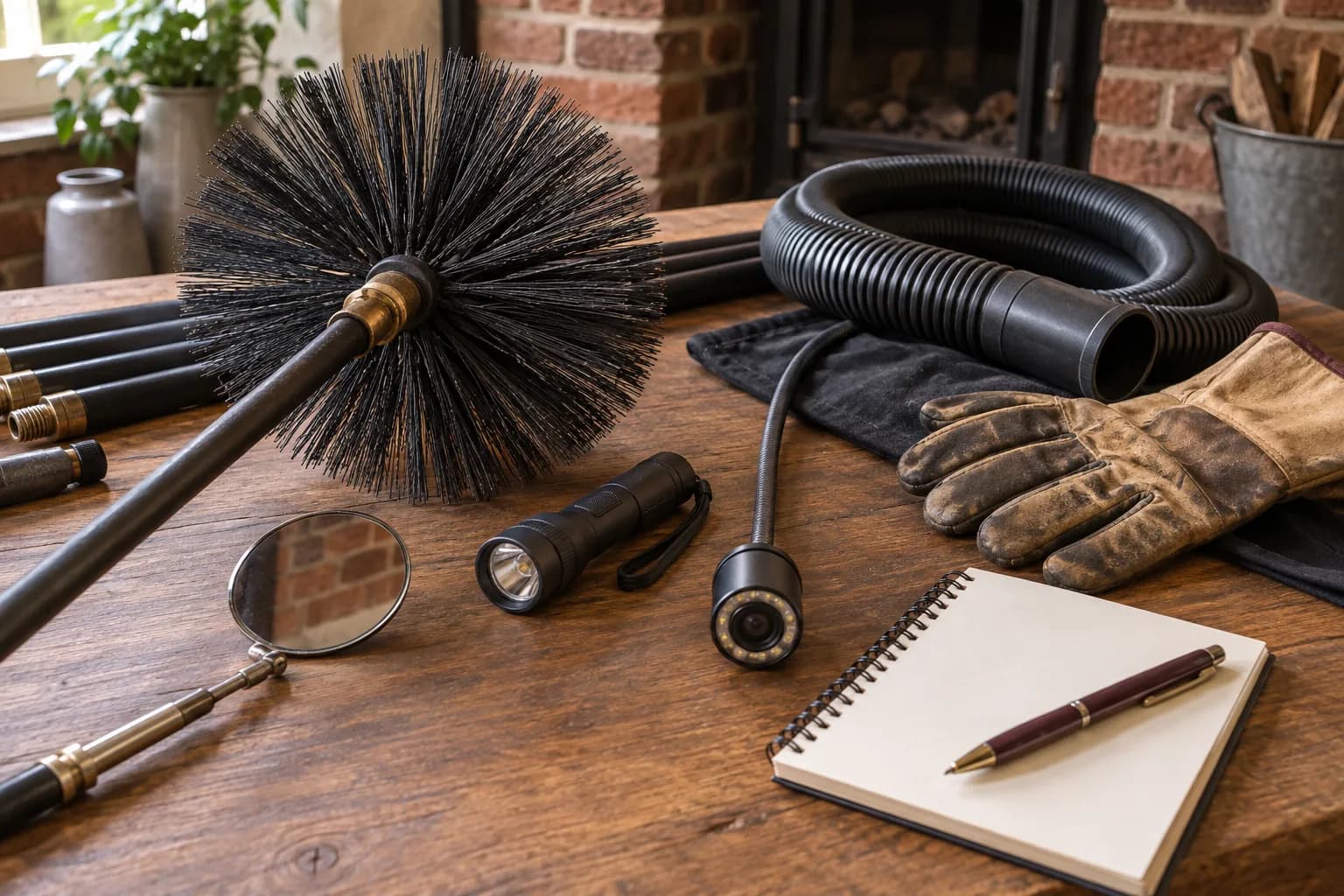
Chimney sweeping
Remove combustible deposits and obstructions with a scope matched to the flue and appliance.
Understand the job
Cleaning, inspection and repair answer different questions. Choose a service to understand the scope and prepare a contractor conversation.
The Advisor field map
Point to the component before comparing the proposal. This simplified masonry-fireplace illustration is a navigation aid—not a construction drawing or a model of every chimney system.
Not sure which component is involved? Start with inspection scope or leak investigation, not a guessed repair.
Remove combustible deposits and obstructions with a scope matched to the flue and appliance.
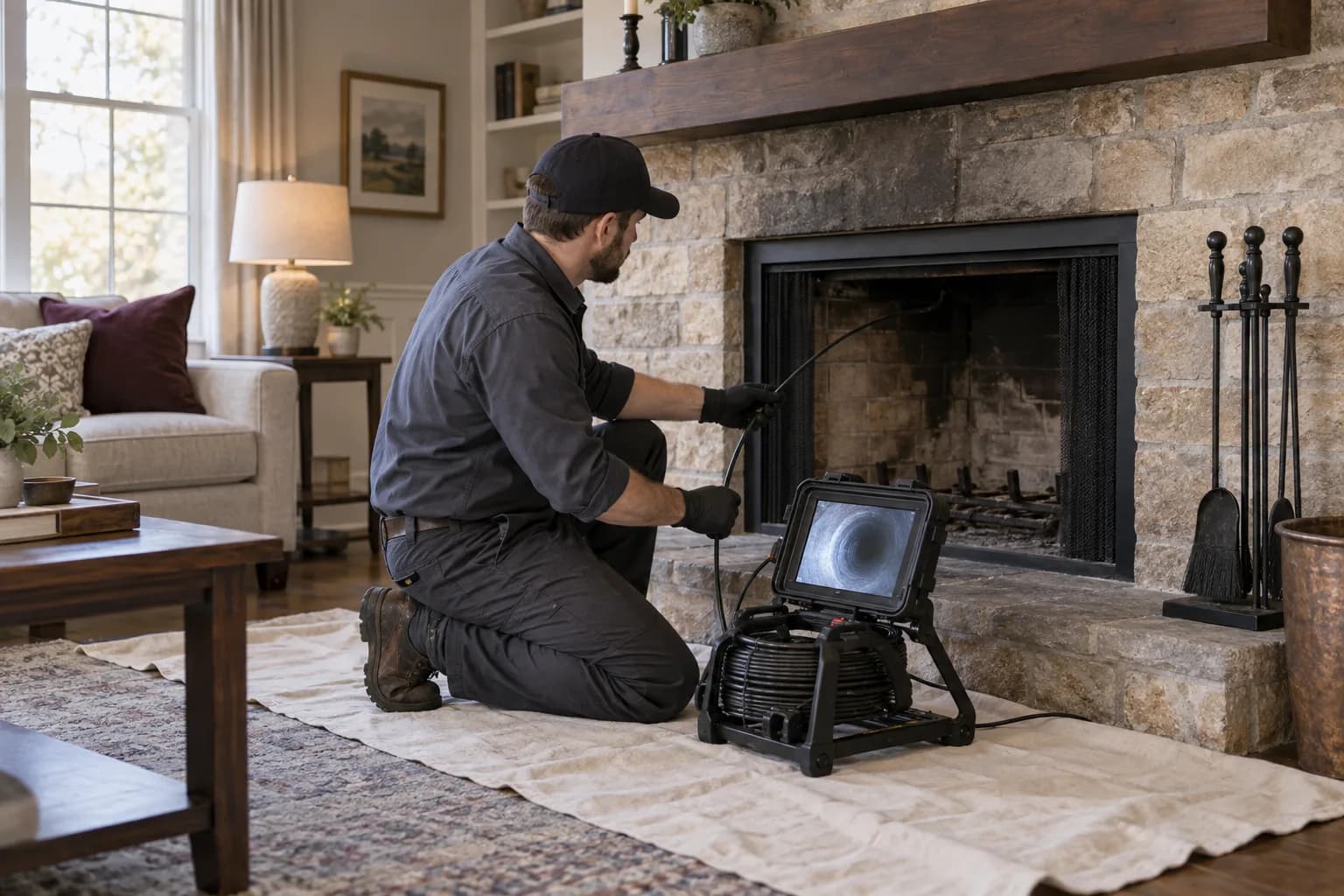
Understand inspection levels, camera documentation, findings and the difference between observation and repair advice.
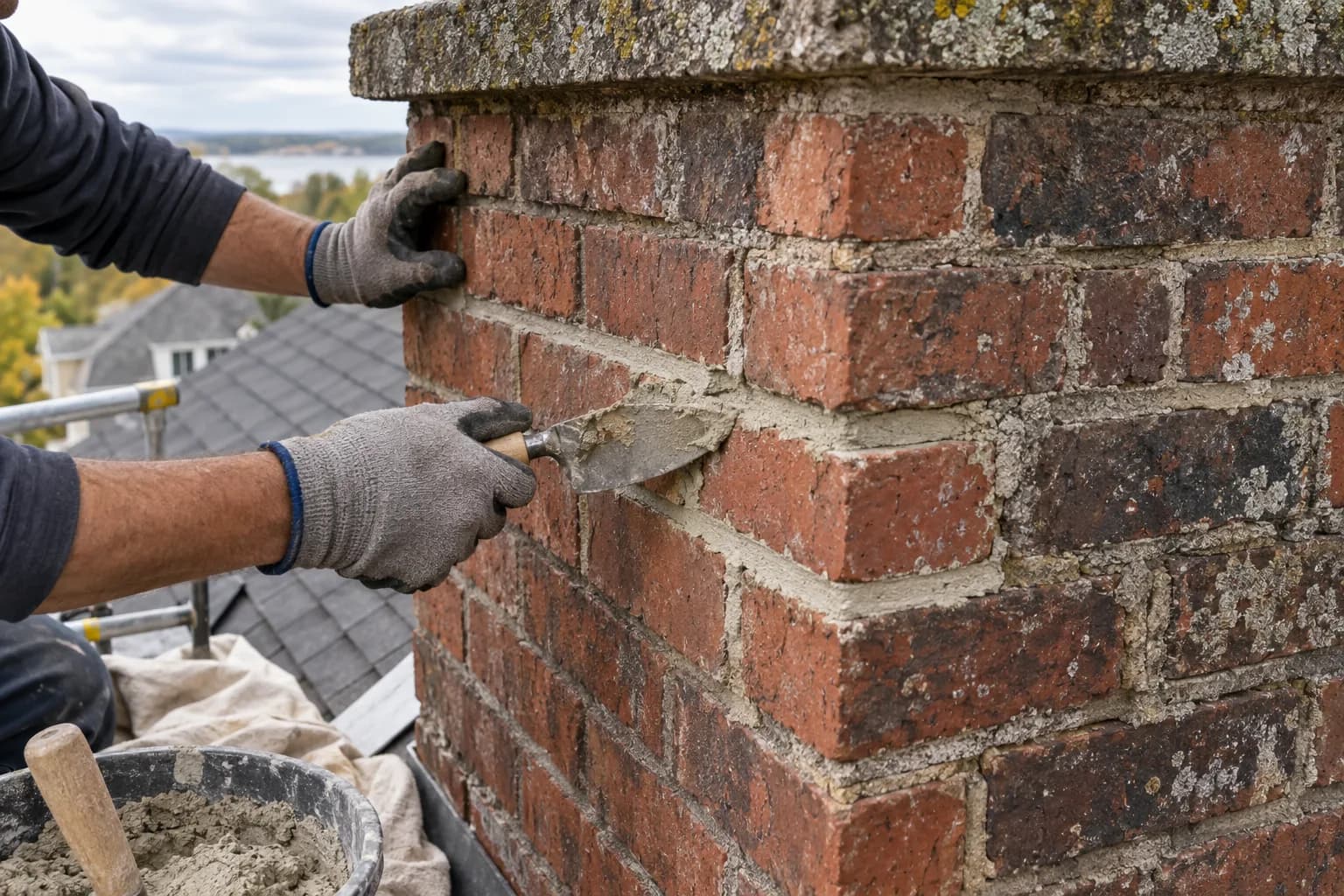
Compare diagnoses, mortar compatibility, crown work, flashing, waterproofing and written repair scopes.
An established system, unchanged use, and no known performance concern are circumstances to discuss when asking about a Level 1 inspection.
Buying a home, changing an appliance or fuel, and events that may have damaged a system are reasons to discuss a broader inspection.
A suspected concealed hazard that cannot be resolved through less extensive inspection may require opening selected areas.
A professional may identify deposits that need more than routine brushing, especially hardened or glazed material.
A missing or damaged cap is a reason to have the termination and the system it serves assessed.
A damaged liner, appliance change or uncertain venting arrangement calls for an assessment before choosing a lining product.
The flue is the passage carrying exhaust; damage or obstructions require a professional to identify what part is affected.
A crown helps shed water at the top of a masonry chimney; cracking or deterioration warrants a close professional assessment.
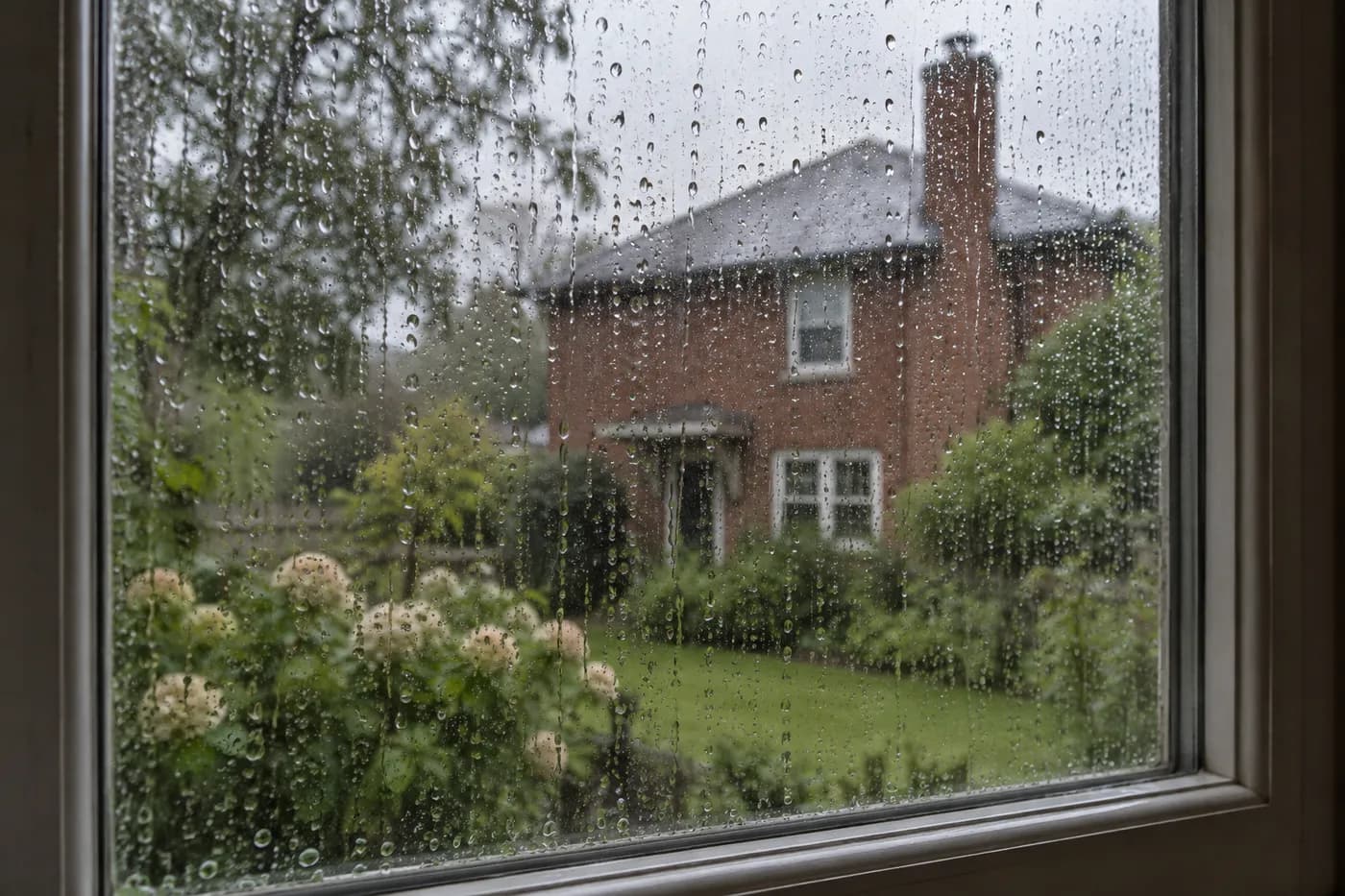
Staining near a chimney may prompt investigation of the roof-to-chimney junction, but staining alone does not locate a leak.
Water-repellent treatment may be proposed as part of a masonry moisture plan after defects and entry points have been assessed.
Smoke entering living space or recurring draft problems call for assessment, not repeated test fires by the homeowner.

Routine maintenance should cover the identified appliance and venting path, not just the visible hearth.
A gas fireplace still needs attention to its appliance and venting requirements even though it does not produce wood ash.
Pellet appliances have model-specific cleaning and venting requirements that should guide the appointment.
A damp patch is an observation; locating the entry route is the purpose of the investigation.
Sounds, debris or a suspected obstruction are reasons to stop using the affected appliance and arrange assessment.