The evidence notebook

Same symptom. Different next steps.

Follow the questions that turn an uncertain chimney problem into a defined scope of work.

Illustrative scenarios—not real customers, completed projects, prices or promised outcomes.

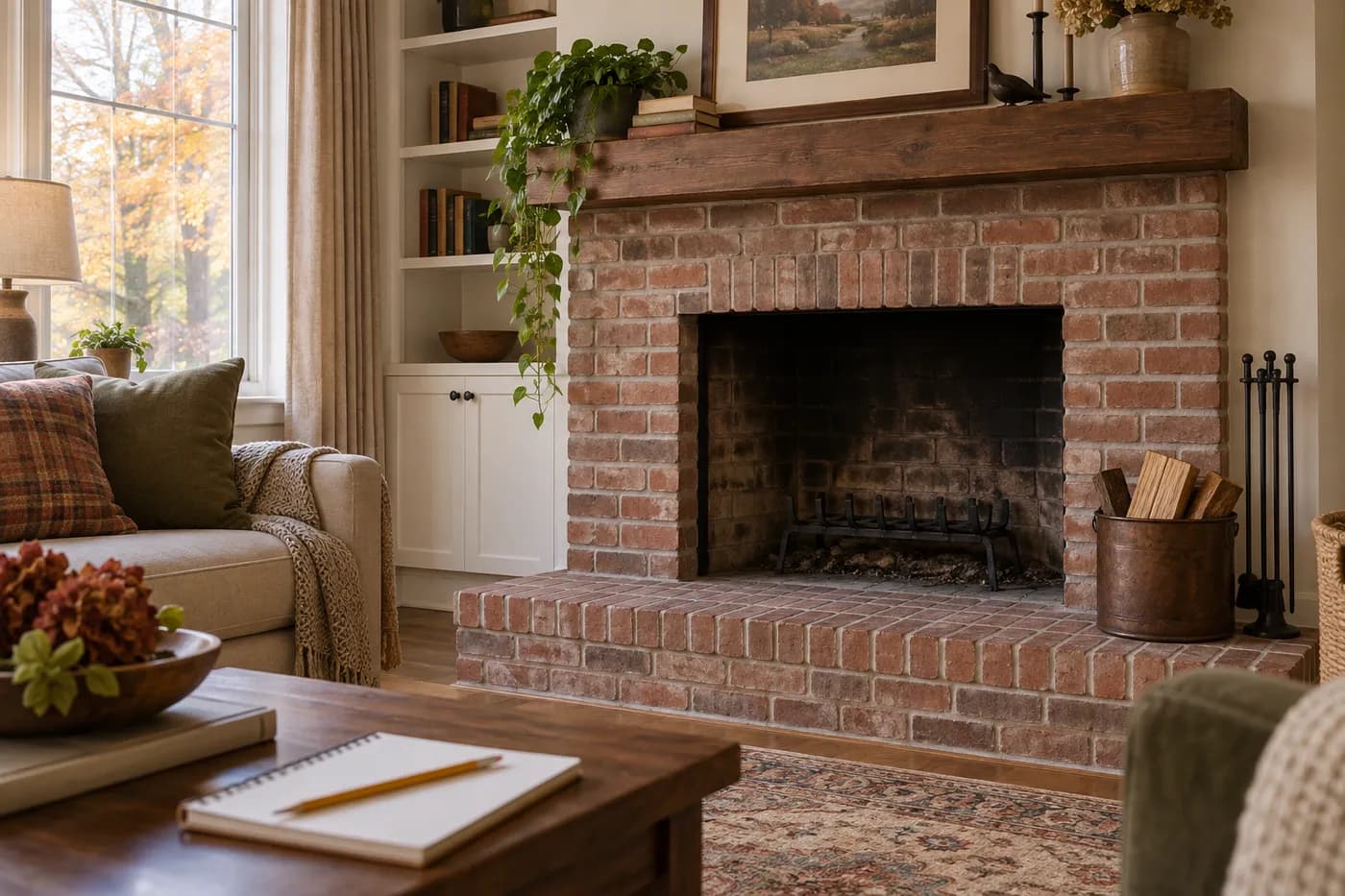
AI-generated unlit brick fireplace with a homeowner's notebook nearby

The fireplace has not been used since moving in

The observation

A new owner has no chimney records and wants to use an idle wood fireplace.

What an assessment might investigate

The inspector would establish the appliance and venting arrangement, ask about alterations and explain the inspection scope appropriate to the unknown history. The absence of visible soot would not establish condition.

The decision fork

If the first visit cannot establish a concealed condition, the next quote should explain the further access needed. If the examination is complete, the next step should follow the findings—not an automatic repair package.

The question to keep

Which areas could not be assessed, and what must be resolved before use?

Assessment first → cleaning if indicated → documented findings → any necessary corrective work → professional advice about reuse.

No outcome is assumed. The purpose is to identify the evidence needed for the next decision, not to diagnose a home from a story.

A ceiling stain returns after a previous chimney repair

The observation

A homeowner notices a mark after rain, but does not know where water entered.

What an assessment might investigate

A qualified professional would review the previous scope and examine relevant chimney and roof interfaces. The visible stain, timing and prior work help frame the investigation but do not prove the source.

The decision fork

If the cause remains uncertain, ask what further observation is needed. A waterproofing quote should not be treated as a diagnosis or as a replacement for repairing a documented flashing defect.

The question to keep

What supports this repair over the other possible entry routes?

Document timing → agree diagnostic scope → identify evidence for entry route → compare targeted repair proposals → retain follow-up observations.

No outcome is assumed. The purpose is to identify the evidence needed for the next decision, not to diagnose a home from a story.

Two quotes describe different inspection packages

The observation

One company offers sweeping with a brief check; another proposes a camera inspection and a longer report.

What an assessment might investigate

The homeowner would ask both companies to identify the appliance and flue, inspection level, access assumptions, cleaning boundary and deliverables. The prices cannot be fairly compared until the different scopes are understood.

The decision fork

If the scopes are intentionally different, compare their purpose rather than forcing the totals to match. If both claim the same scope, request written clarification of exclusions and documentation before choosing.

The question to keep

Which circumstance makes your proposed inspection scope appropriate?

Send one property brief → identify missing answers → clarify differences → compare equivalent work → keep the agreed report and invoice.

No outcome is assumed. The purpose is to identify the evidence needed for the next decision, not to diagnose a home from a story.